
Things to Do in Chiang Khong
Where the Mekong widens into Laos and the border smells like grilled river fish
Top Things to Do in Chiang Khong
Find activities and tours you'll actually want to do. Book through our partners -- no booking fees.


Plan Your Trip
Essential guides for timing and budgeting
Climate Guide
Best times to visit based on weather and events
View guide →Day Trips
The best excursions and nearby destinations worth the journey
Explore day trips →Where to Stay
Best neighbourhoods, hotel picks, and booking tips
Find hotels →Travel Insurance
What's required, what coverage matters, and how to get a quote
Read guide →What to Pack
Climate-specific gear, essentials, and what to leave at home
See packing list →When Should You Visit Chiang Khong?
Tap a month for weather, crowds, and highlights
View full year-round climate guide →

Your Guide to Chiang Khong
About Chiang Khong
Chiang Khong starts at the water. The Mekong steals your attention first. It rolls wide, slow, heavy with diesel from longtail boats and the soft rot of bananas drifting from groves along the banks. This town never shouts. It unrolls along Sai Klang Road, where Baan Tam-mi-la and Rimnam press against motorbike shops ready to hand over a Honda Wave for 200 baht ($5.50) if you ask in Thai.
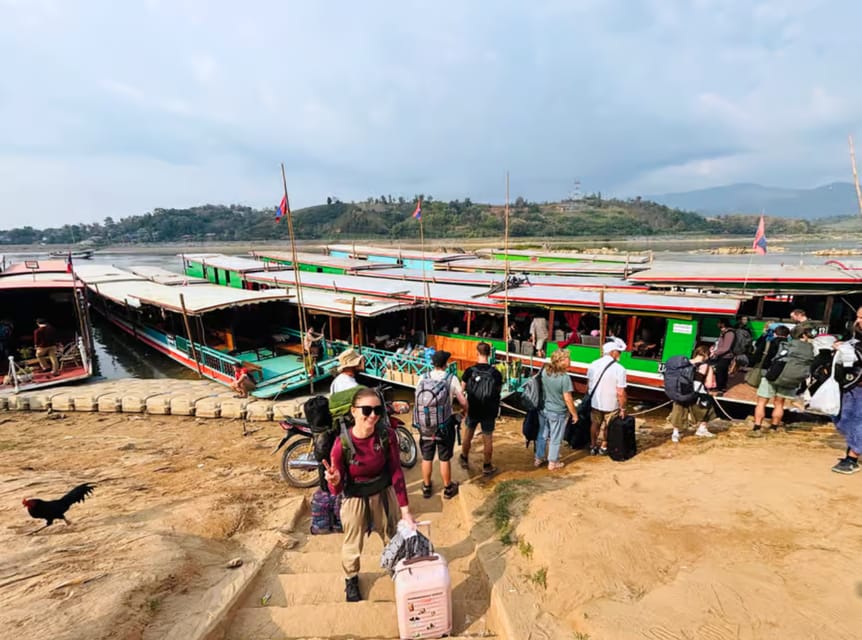
At 5 PM sharp, the night market sparks to life. Fluorescent bulbs hang between tamarind trees. Forty baht ($1.10) buys som tam fierce enough to make you weep with joy. The pier is the pulse. Backpackers with glassy eyes shuffle beside Lao families gripping plastic bags of live chickens. Most travelers treat Chiang Khong as a mere border crossing.
Their loss. Climb the rooftop of Baan Rimtarn Guesthouse at sunset. The Mekong view alone justifies the detour, Laos ticket or not. The trade-off is real. By 10 PM the town is dark. Only the 7-Eleven glows. River against bank is the sole soundtrack. If you came for quiet, for border-town Thailand where Isaan spice meets cold beer, Chiang Khong delivers.
Travel Tips
Transportation: Greenbus leaves Chiang Rai for Chiang Khong at 65 baht ($1.80). The 2.5-hour ride on Route 1129 snakes through mountains and rubber plantations. Once you arrive, everything is walkable except the border hop. Songthaews to the Thai-Lao Friendship Bridge cost 60 baht ($1.65) from the market. Guesthouses will arrange the ride for 80 baht ($2.20). Rent a motorbike at Pon's Shop opposite the night market. Mention a tea-plantation run and he will hand you a helmet that fits.
Money: ATMs huddle near the 7-Eleven on Sai Klang Road. They charge 220 baht ($6) per withdrawal. The currency exchange booth at the border stays open until 8 PM. Rates beat the banks. Stock up on baht before you cross. Lao kip is useless back in Thailand. Huay Xai will not give you a fair rate for baht. Most guesthouses and restaurants now take cards. Night market vendors remain cash-only.
Cultural Respect: Wat Sob Som wakes at 6 AM. Locals gather for tak bat. Monks walk Sai Klang Road single-file. Photograph them head-on and grandmothers will scold you. They rose at 4 AM to make merit. Remove shoes at every temple. Never point feet toward Buddha statues. Lao border guards like a polite wai when you hand over your passport. It is not required. It still moves you through faster than tourists charging like it is JFK.
Food Safety: Grilled river fish at the night market is the litmus test. Choose vendors who keep fish on ice, not under sun. The som tam lady near the clock tower wears gloves and draws a line of locals. Follow them. Street stalls with running water beat restaurants with lukewarm buffets. Boat noodle soup shop with red stools opposite the pier cooks everything fresh daily. Thirty-five baht ($1) buys a bowl that cures everything.
When to Visit
November through February is Chiang Khong's sweet spot. Daytime temperatures linger around 28°C (82°F). River breeze slices the humidity. Hotel prices increase 50% during these months. Expect 800-1,200 baht ($22-33) instead of 500 baht ($14) from May to September. March and April bring burning season. Air turns hazy and acrid from slash-and-burn across the river in Laos.
Temperatures hit 38°C (100°F). May signals monsoon. Afternoon thunderstorms crash in at 3 PM sharp. Temperature drops. Dirt roads turn to mud. June through September is full rainy season. Some months dump 200mm of rain. The Mekong swells high enough for slow boats to run properly. River crossing to Laos drops to 40 baht ($1.10) in low season versus the usual 60 baht ($1.65).
October has a brief shoulder window before cool-weather crowds return. Loy Krathong festival in November fills the riverfront with floating lanterns and fireworks for a week. Book accommodation weeks ahead or risk a border town with no vacancy.
More Ways to Experience Chiang Khong
Tours, day trips, and local experiences curated by on-the-ground operators.
Didn't see anything interesting yet?
Browse Viator's full catalog of tours, day trips, food experiences, and private guides in Chiang Khong.
See All Chiang Khong Tours on Viator